
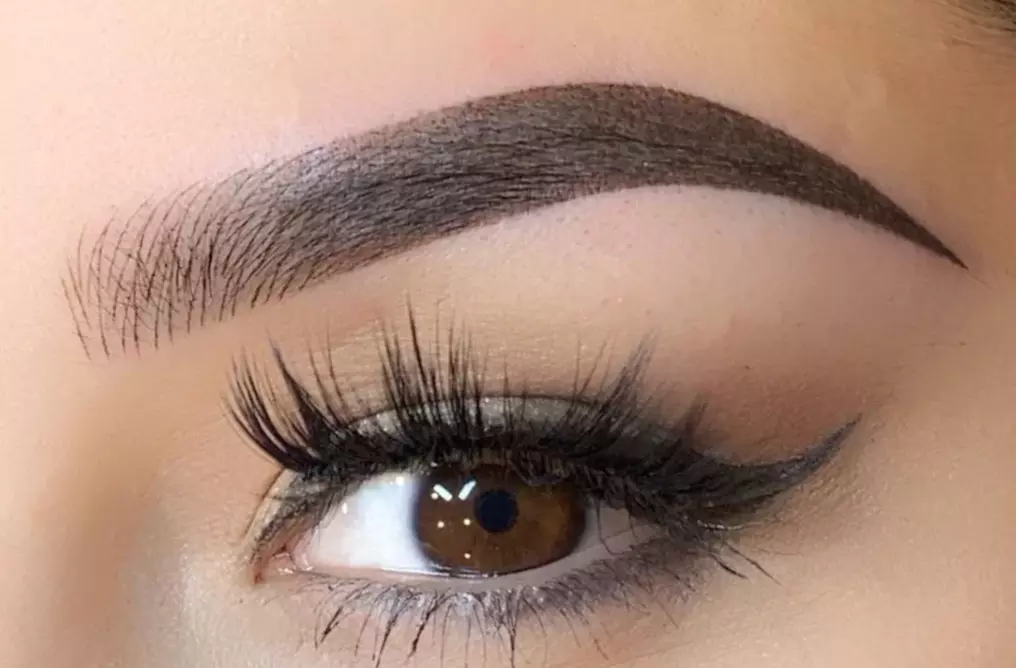
Combo Brows in Orlando: How Artists Balance Hair Strokes With Shading for a Natural Front
A combination brow is built around a visual transition: airy detail near the front and greater support where the brow needs definition. Microblading combo brows in Orlando bring hair strokes and shading into one design, but the natural effect depends on how those elements meet. If the front is too dense, the brow can lose softness. If the shaded area begins too abruptly, the finish may look divided. Thoughtful mapping and controlled pigment placement help the two techniques read as one brow.
The Natural Front Begins With Hair Direction
Front strokes should respond to the way existing brow hairs rise, angle, and spread. Rather than filling every gap with identical marks, an artist considers spacing and movement so the beginning does not look stamped on. Natural does not mean invisible; it means the pattern fits the client’s features and blends into the existing hair without a hard rectangular edge.
How Microblading Combo Brows in Orlando Add Structure
Shading supports areas where strokes alone may not provide the desired fullness. It can add depth through the center, arch, and tail while leaving the front visually lighter. With this combined method, the proportion of strokes to shading should reflect natural hair density, skin type, and the amount of makeup definition the client prefers.
- Map the full outline and check facial balance from several angles.
- Plan the direction and spacing of front hair strokes.
- Choose where soft shading begins and where it becomes denser.
- Review the proposed finish before pigment placement starts.
Mapping Prevents the Two Techniques From Competing
Mapping creates a shared framework for both methods. The outline sets the overall width, arch position, and tail, while internal planning controls the gradient. Strokes of Genius Microblading says its brow sessions include design and mapping plus pigment selection. That preparation gives the finished brow a clearer structure before either component is performed.
Skin Behavior Influences Stroke and Shading Balance
Skin type can affect how fine detail settles, which is why one stroke-to-shading ratio cannot suit everyone. Oilier skin may lead an artist to use a stronger shading contribution, while other skin may hold delicate marks differently. The stroke-and-shading ratio should be planned from an individual assessment, not a fixed social-media formula.
- Existing brow hair and its growth direction
- Skin oiliness and visible texture
- Previous pigment beneath the brows
- Preferred daily makeup intensity
- Comfort with follow-up and aftercare
Healing Turns Fresh Contrast Into a Softer Result
Immediately after the appointment, pigment can appear darker and the contrast between elements may seem stronger. Healing changes that first impression. Follow the studio’s instructions, avoid picking, and wait for the advised review point before judging the blend. The blended design is best assessed after the skin has settled, not through hour-by-hour comparisons during the first days. Before approving the plan, carefully describe which brow area feels least defined and how much makeup you normally use. This gives the artist practical context for the stroke spacing, shading density, and gradient you expect. It also helps you assess the healed blend against your own routine instead of a temporary first-day appearance.
Bring Your Ideal Brow Balance Into Focus
A balanced combination brow starts with a specific conversation about what “natural” means to you. Share whether you prefer sparse airy fronts, a polished tail, or moderate coverage throughout, then let Strokes of Genius Microblading connect those preferences to mapping, pigment selection, and your starting brow pattern.
Use the studio’s appointment request to discuss microblading combo brows in Orlando and arrive with a few useful reference photos. Your consultation can turn those ideas into an original plan, giving each stroke and shaded area a clear job instead of letting either technique overpower the finished brow.
Frequently Asked Questions
1. What makes a combo brow different from microblading alone?
A combo design includes both hairlike strokes and shaded pigment. Microblading alone places greater emphasis on individual stroke detail without the same field of filled coverage.
2. Can the brow front stay lighter than the tail?
Yes. A softer front and more defined body or tail are common planning goals. The exact gradient should be approved during mapping and adjusted to your features.
3. Do combination brows suit every skin type?
Suitability varies because skin behavior affects how strokes and shading heal. An in-person assessment is the appropriate way to discuss the balance for your skin.
4. Why are mapping and pigment selection important?
Mapping establishes shape and placement before the procedure, while pigment selection considers the intended color. Together, they help both techniques support one unified design.
5. When should I evaluate the finished blend?
Wait until the initial healing stage has passed and follow the artist’s review schedule. Fresh pigment appears stronger, so an immediate judgment does not represent the settled brow.